If Fall 2026 High Point Market made one thing clear, it’s that personality is taking center stage. After seasons of restraint and quiet luxury, we’re seeing a renewed appreciation for interiors that feel expressive, collected, and distinctly personal.
From decorative embellishments and sculptural silhouettes to saturated color and unexpected material combinations, designers are embracing a more playful approach to the spaces we inhabit. It’s a thoughtful return to craftsmanship, character, and the details that make a space feel unmistakably its own.
Here are five design directions that caught our attention at Market:
01. The Art of Embellishment
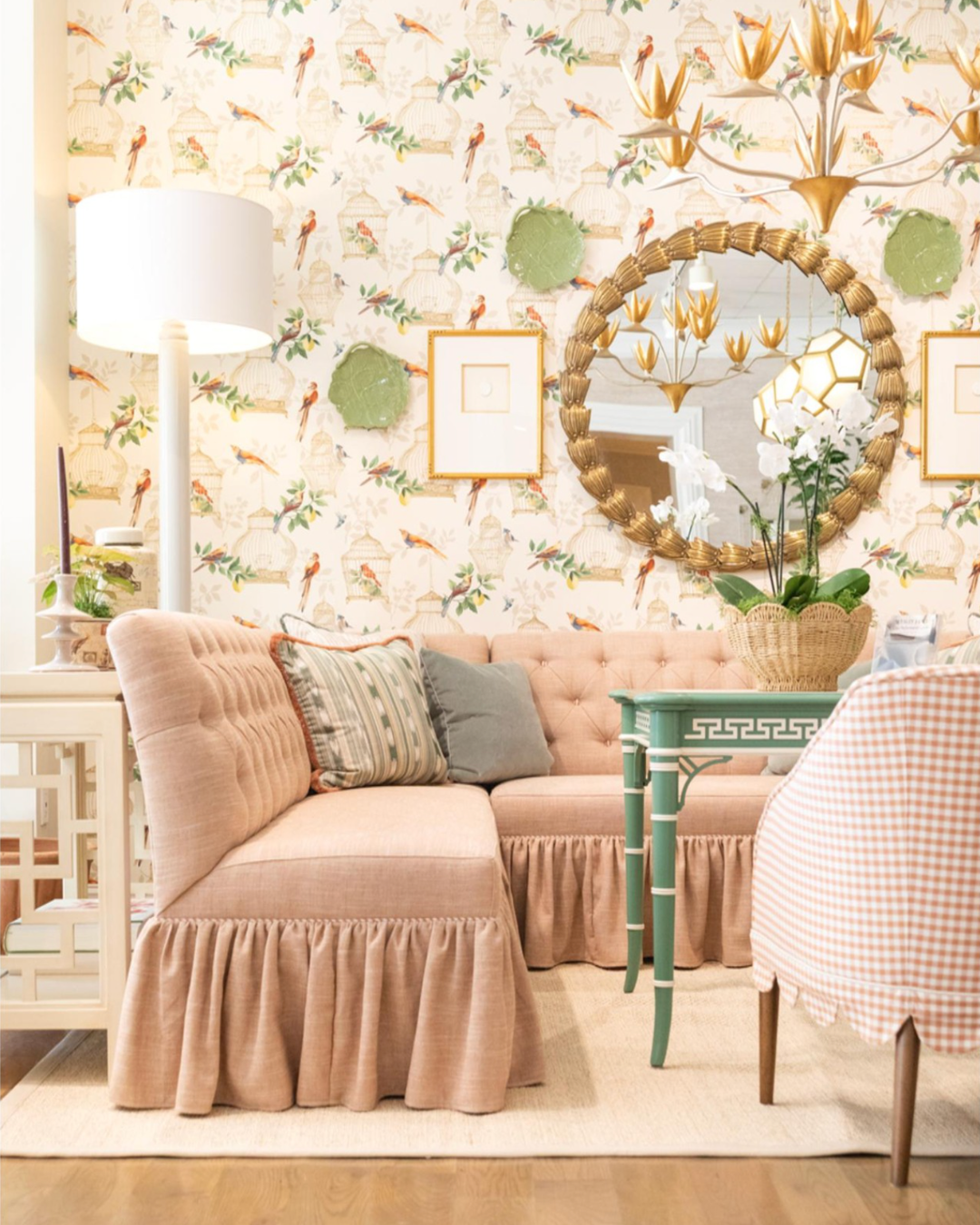
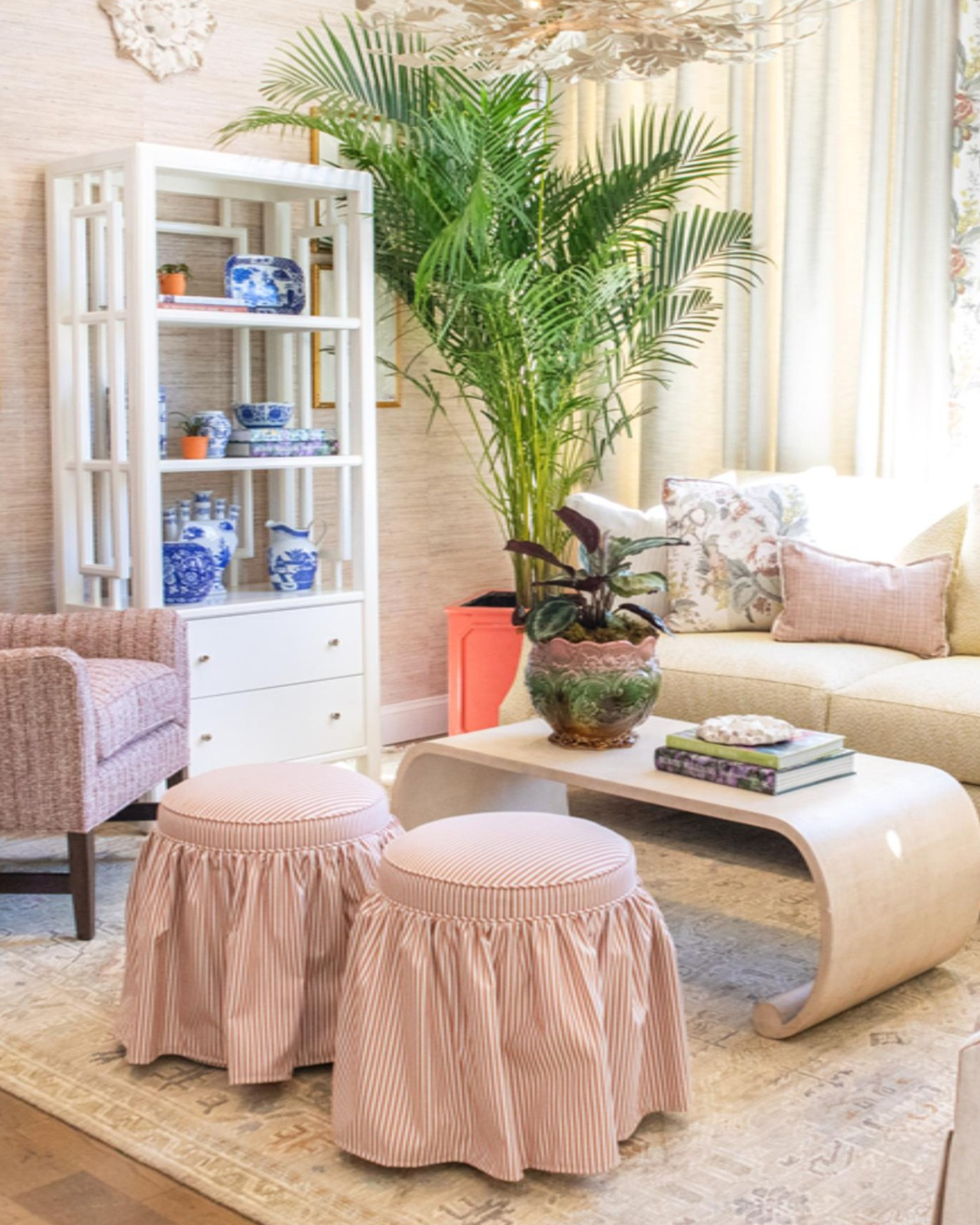
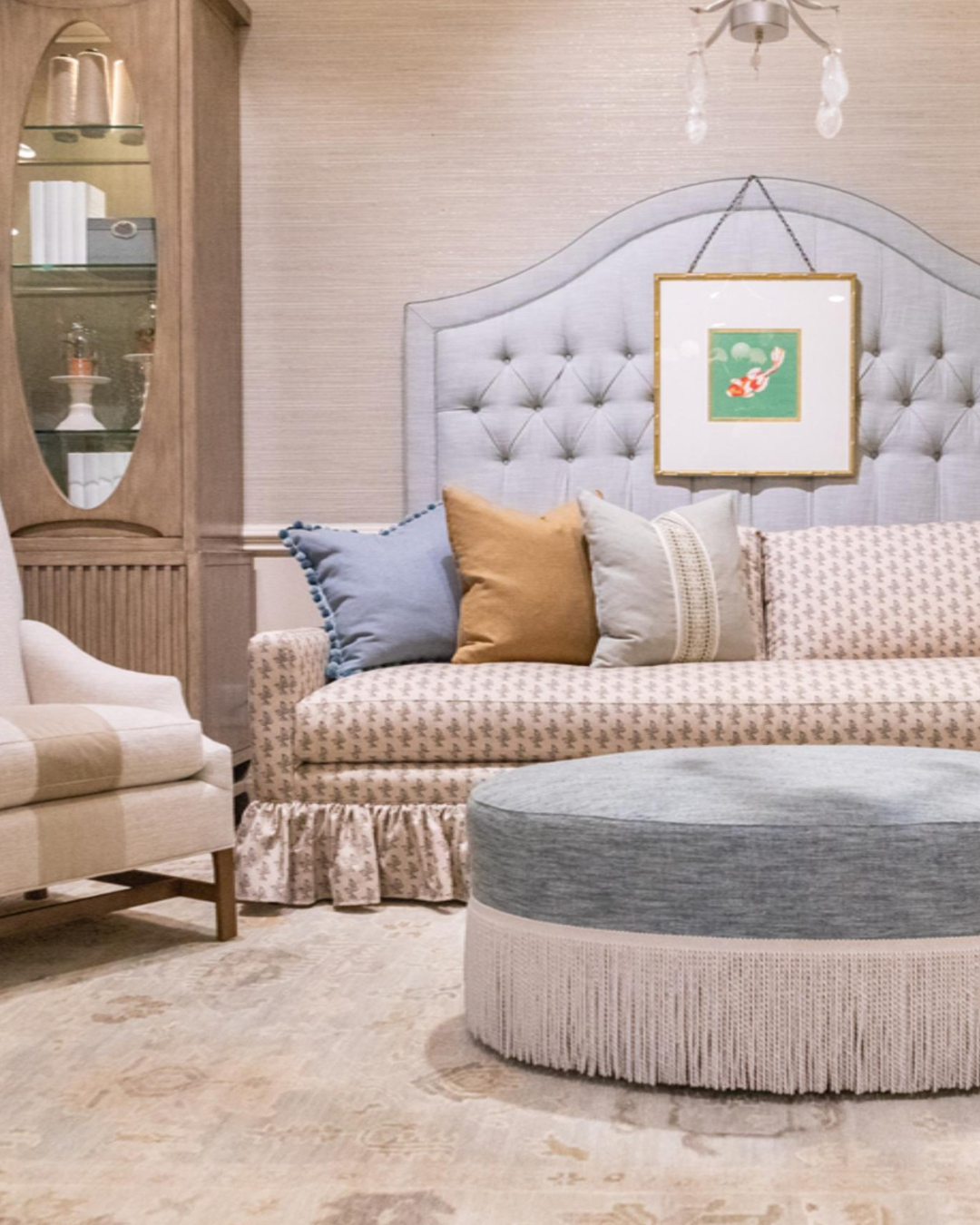
It’s all in the details. Fringe, tassels, contrast welts, scalloped edges, and skirted silhouettes are making a welcome return, bringing craftsmanship and a touch of nostalgia into contemporary interiors.
At Wesley Hall, thoughtful tailoring and upholstery details reinforced the beauty of these finishing touches. From leather paired with unexpected colored welts to decorative trims that soften structured silhouettes, the smallest details are making some of the strongest statements.
There’s a playful quality to this renewed appreciation for embellishment, sometimes described as “lemonading,” where familiar furnishings receive an unexpected twist.
The takeaway? A little personality goes a long way.
Sometimes it’s the smallest detail that makes a room memorable.
02. Nature, Reimagined
Organic materials find new expression. Natural materials remain essential to the design conversation, but applications are becoming more expressive.
Grasscloth, caning, seagrass, bamboo, and rattan continue to bring warmth and tactile interest to interiors, while burl wood introduces dramatic grain patterns that feel both nostalgic and contemporary.
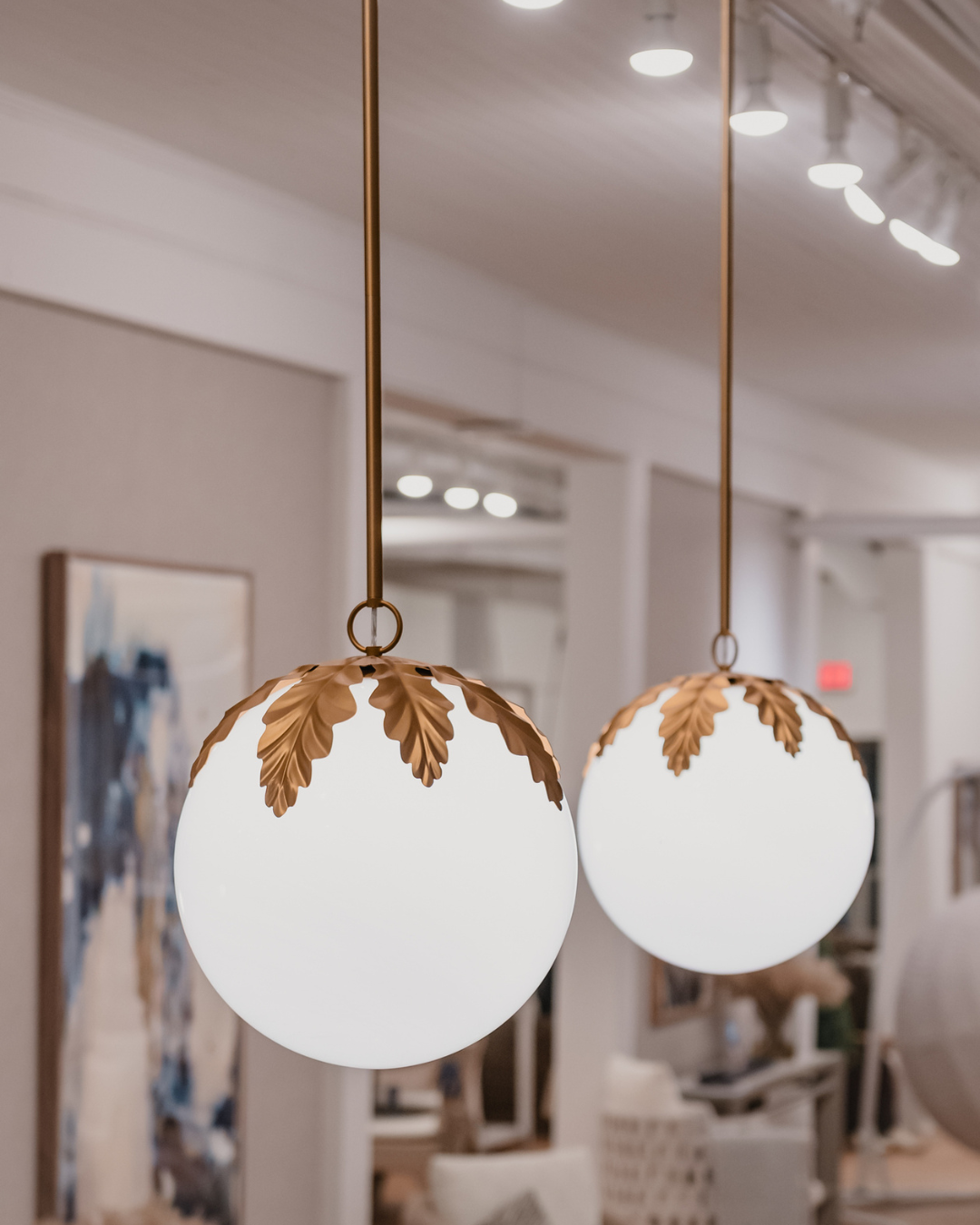
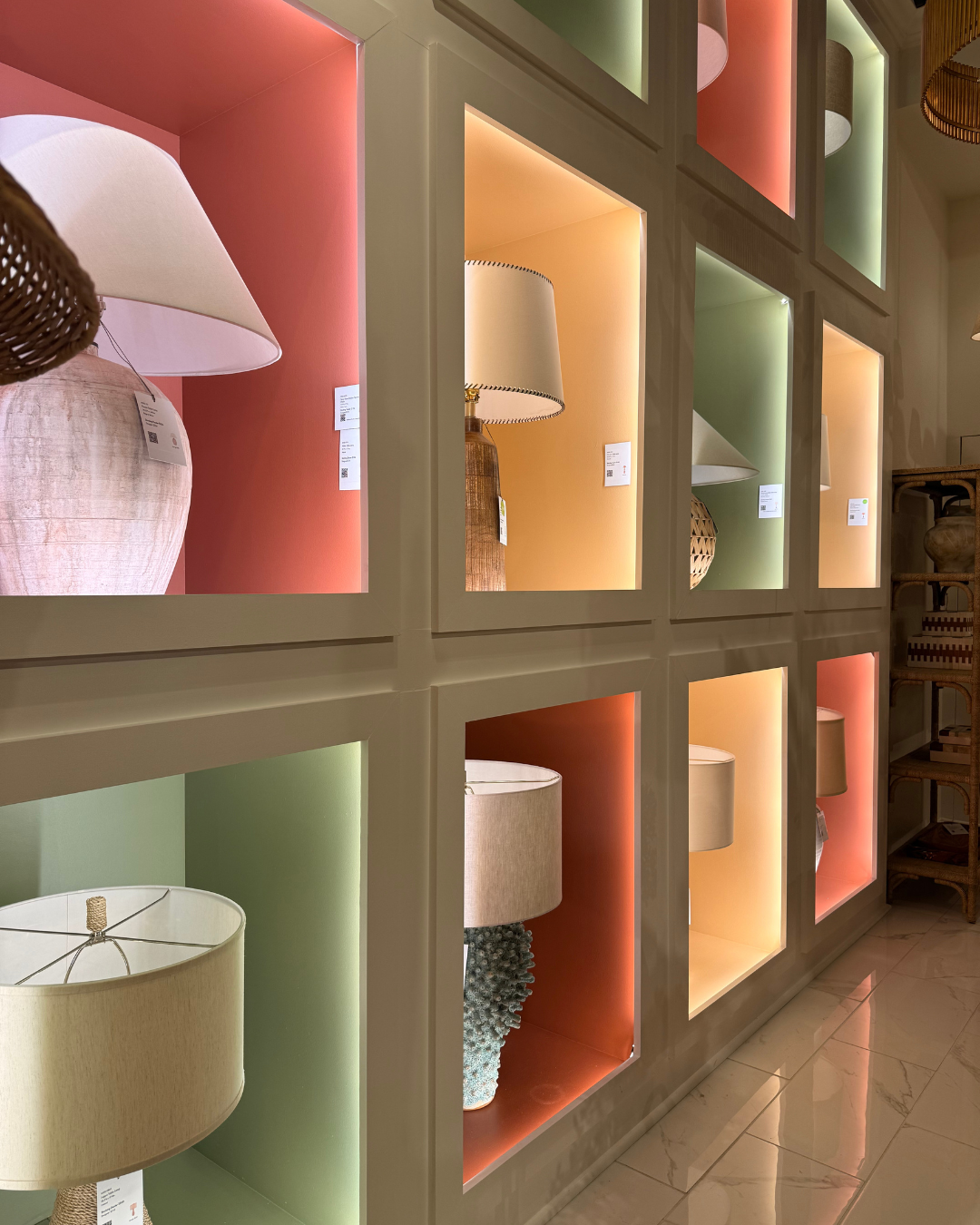
Lighting is evolving alongside this material exploration. Alabaster, sculptural forms, and naturally inspired finishes are transforming functional fixtures into decorative statements.
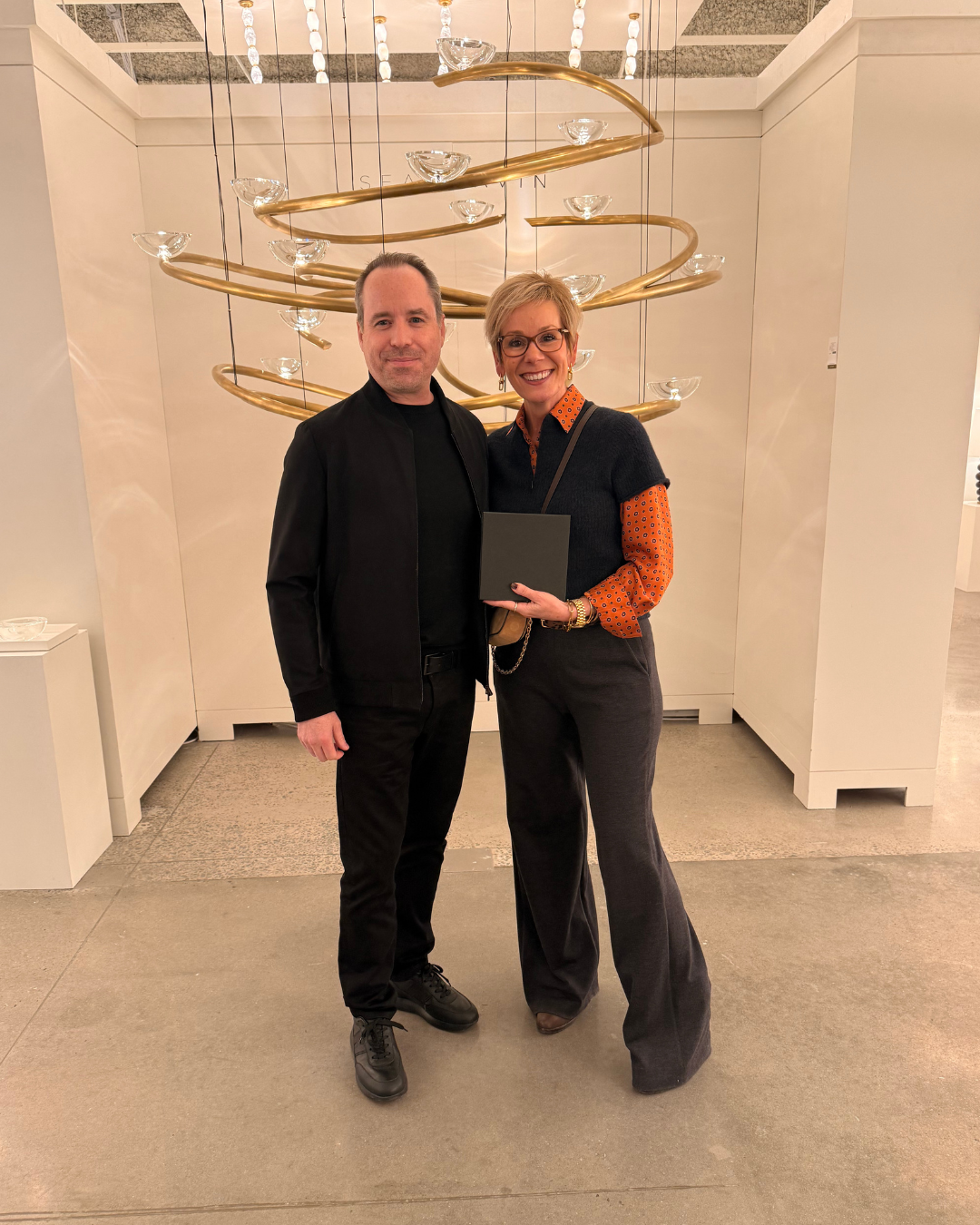
We saw this intersection of materiality and artistry reflected in collaborations like Sean Lavin x Visual Comfort and Taniya Nayak x Maxim Lighting, where lighting becomes an opportunity to introduce texture, movement, and atmosphere.
The takeaway? Natural doesn’t have to mean neutral.
03. Color with Confidence
From rich hues, unexpected pairings, and a little romance, color is having a moment. And it’s arriving with depth and personality.
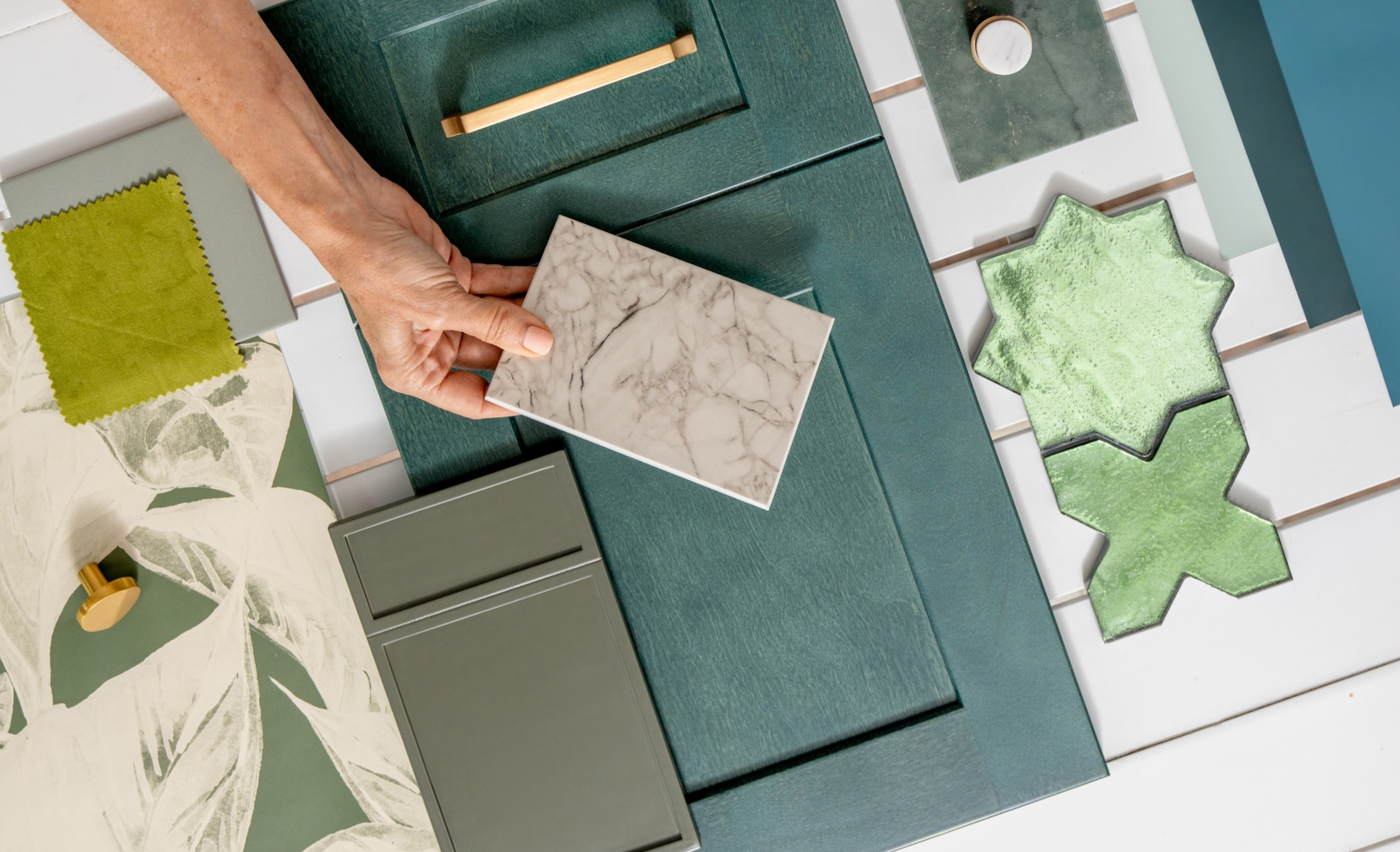
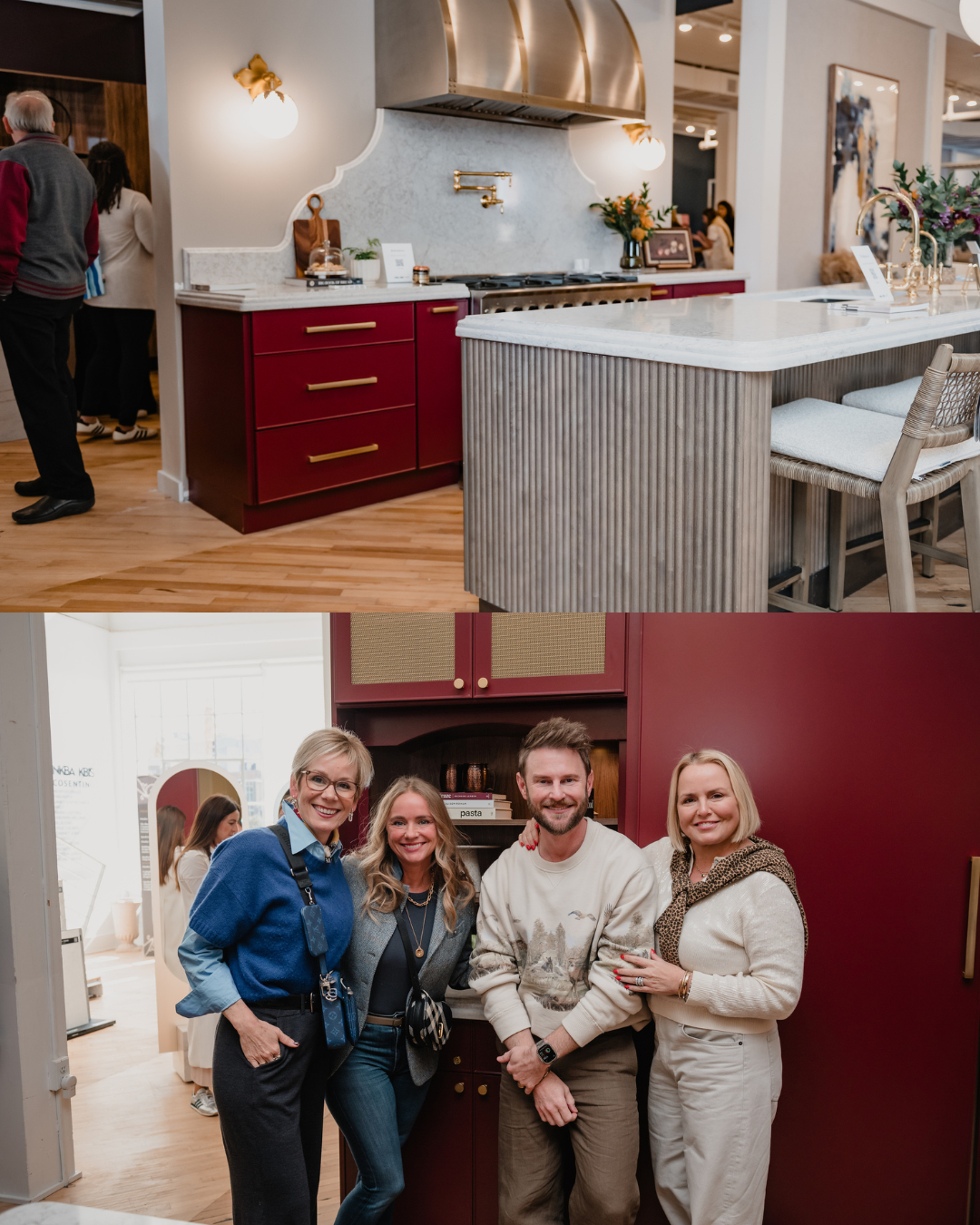
Romantic shades of mauve and merlot are finding their place alongside jewel-box hues of ruby, chartreuse, teal, emerald, and eggplant. Rather than reserving these colors for accents, designers are embracing them across upholstery, cabinetry, and architectural elements.
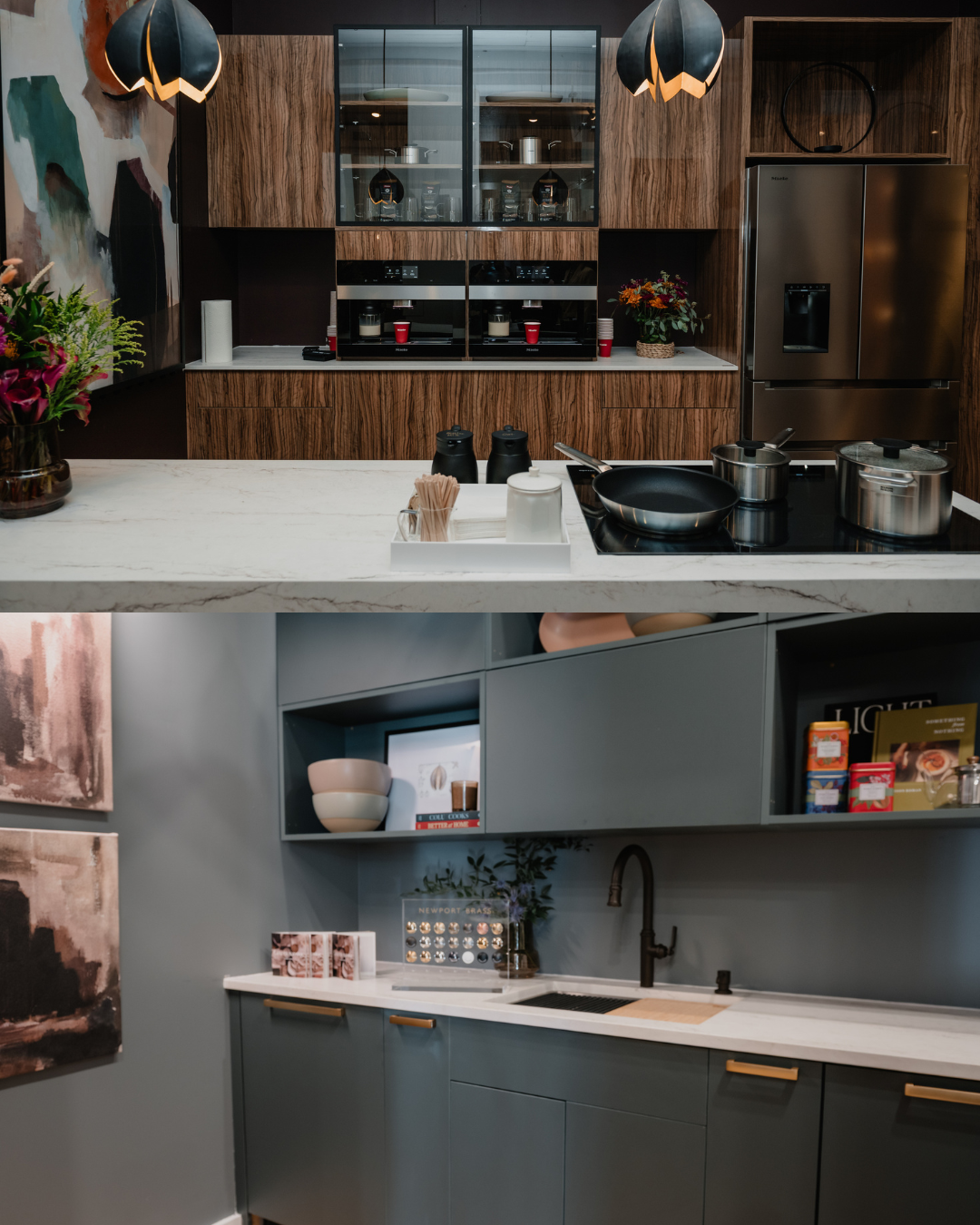
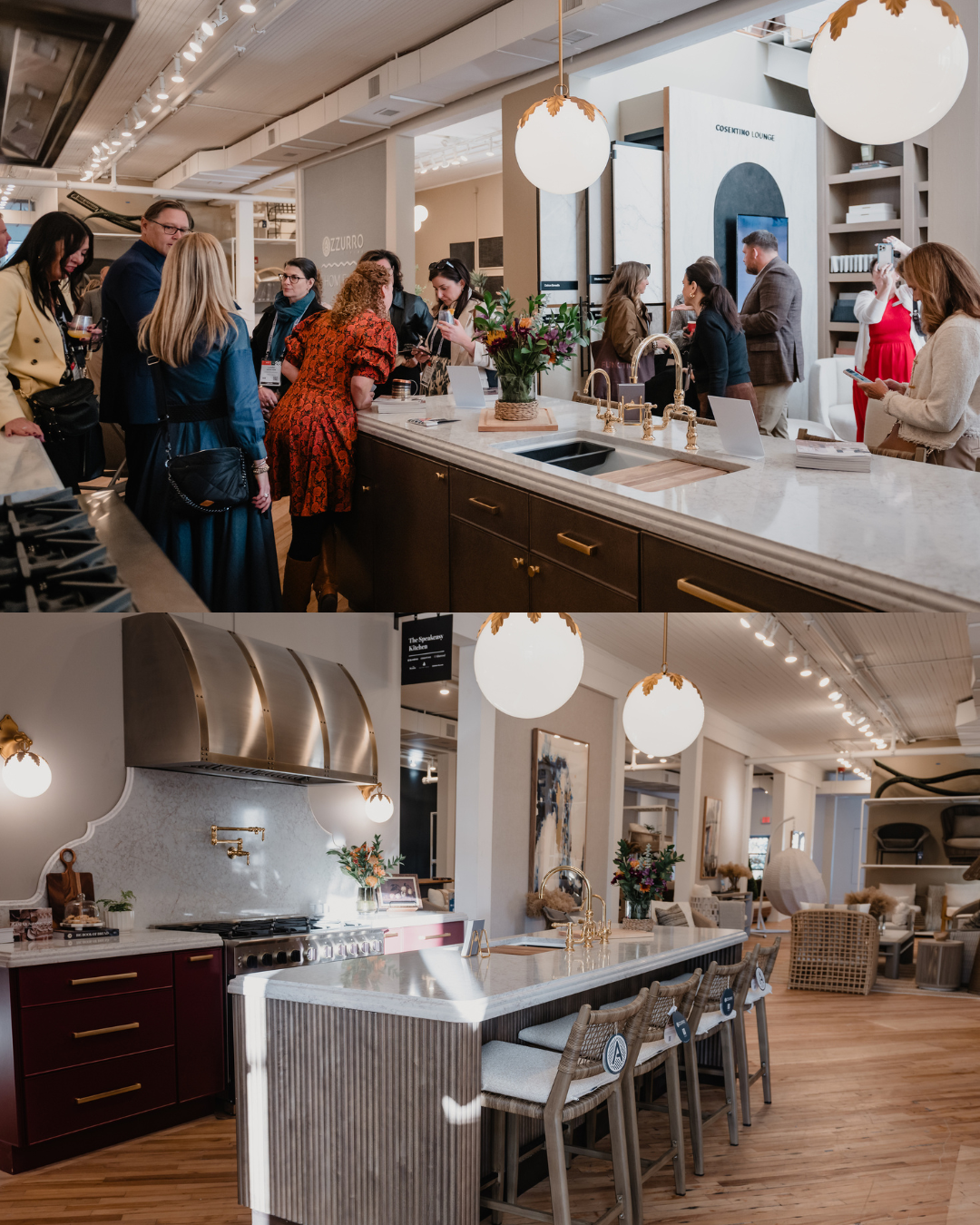
At Broad Hall, our work with Fabuwood brought this conversation into the kitchen through Cabernet Red, Mocha, and Olivio Verde, demonstrating how cabinetry can contribute to a home’s broader design story.
We’re particularly drawn to the unexpected combinations: colors that might not traditionally be paired together but create a sense of character and individuality.
This deviation from following a prescribed palette is resulting in spaces that feel personal, confident, and collected over time.
04. Pattern, Play & Personality
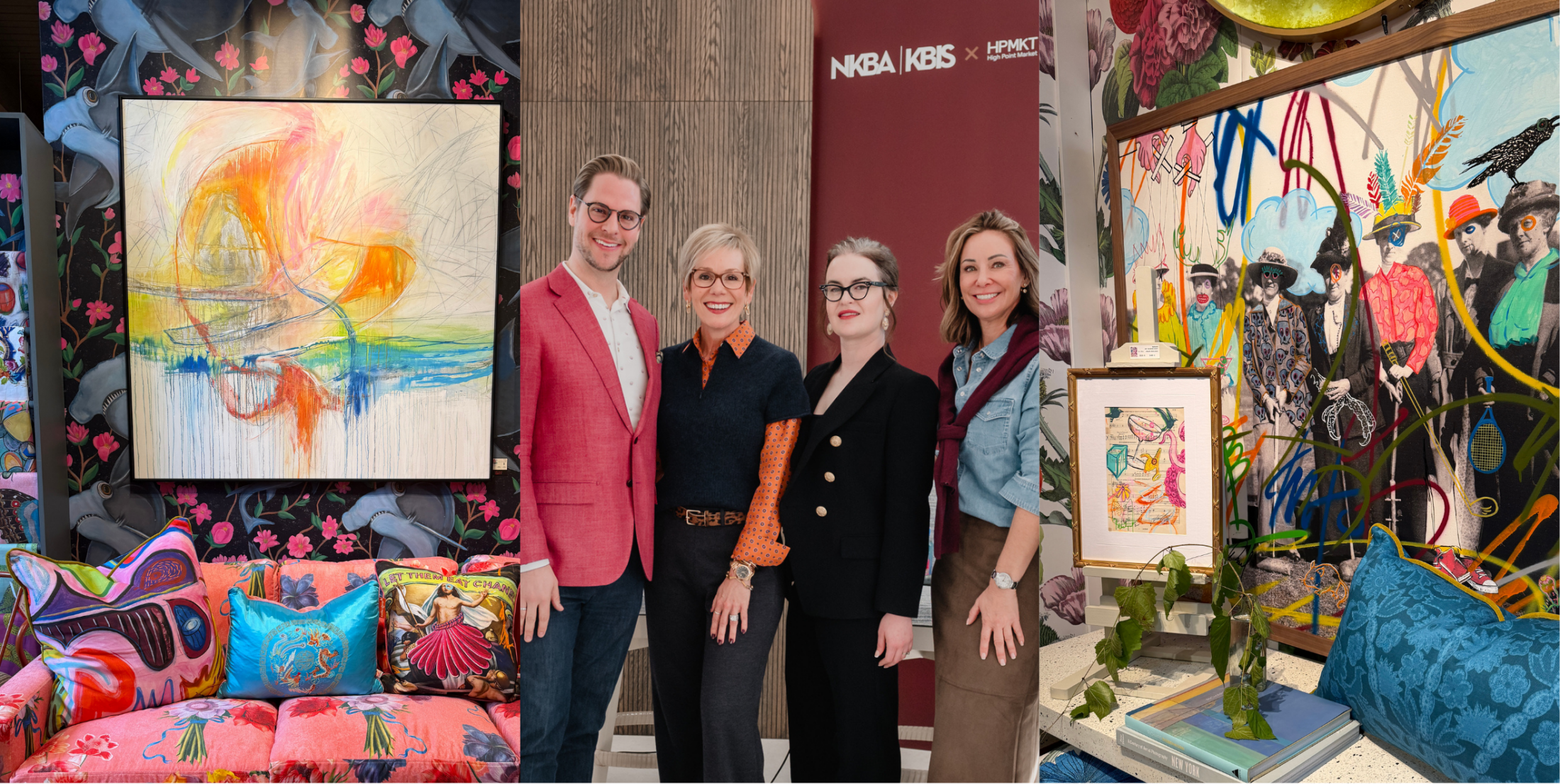
If there’s one thing we loved about Fall Market, it was the renewed willingness to have fun with design.
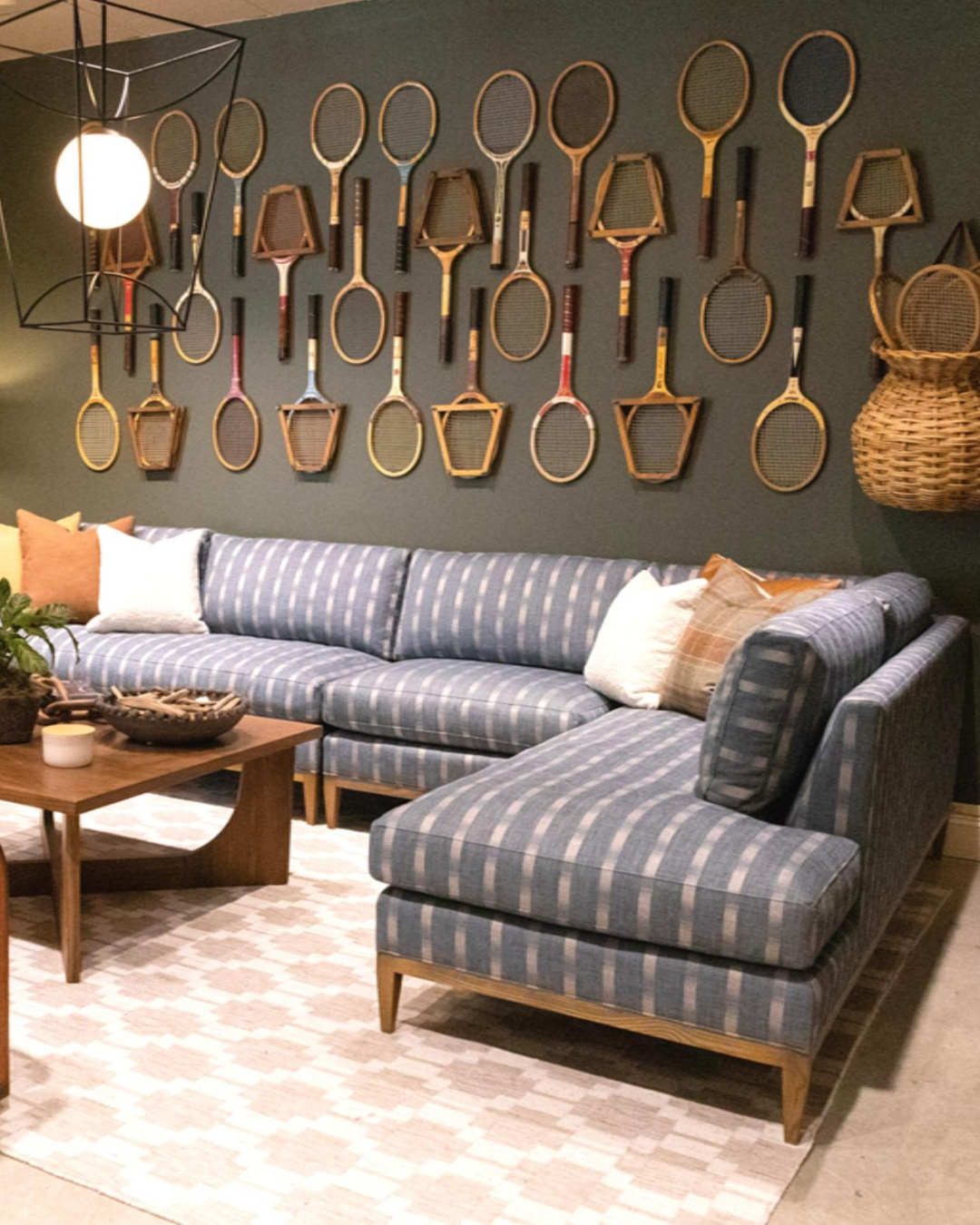
Patterned upholstery layered with patterned rugs, tailored plaids, animal prints, playful textiles are bringing visual interest back into focus. Moiré finishes and equestrian influences add another dimension, balancing playful expression with a sense of heritage.
Collaborations like Pulp Design x S. Harris demonstrate how distinct patterns and unexpected combinations create a fresh perspective on familiar materials.
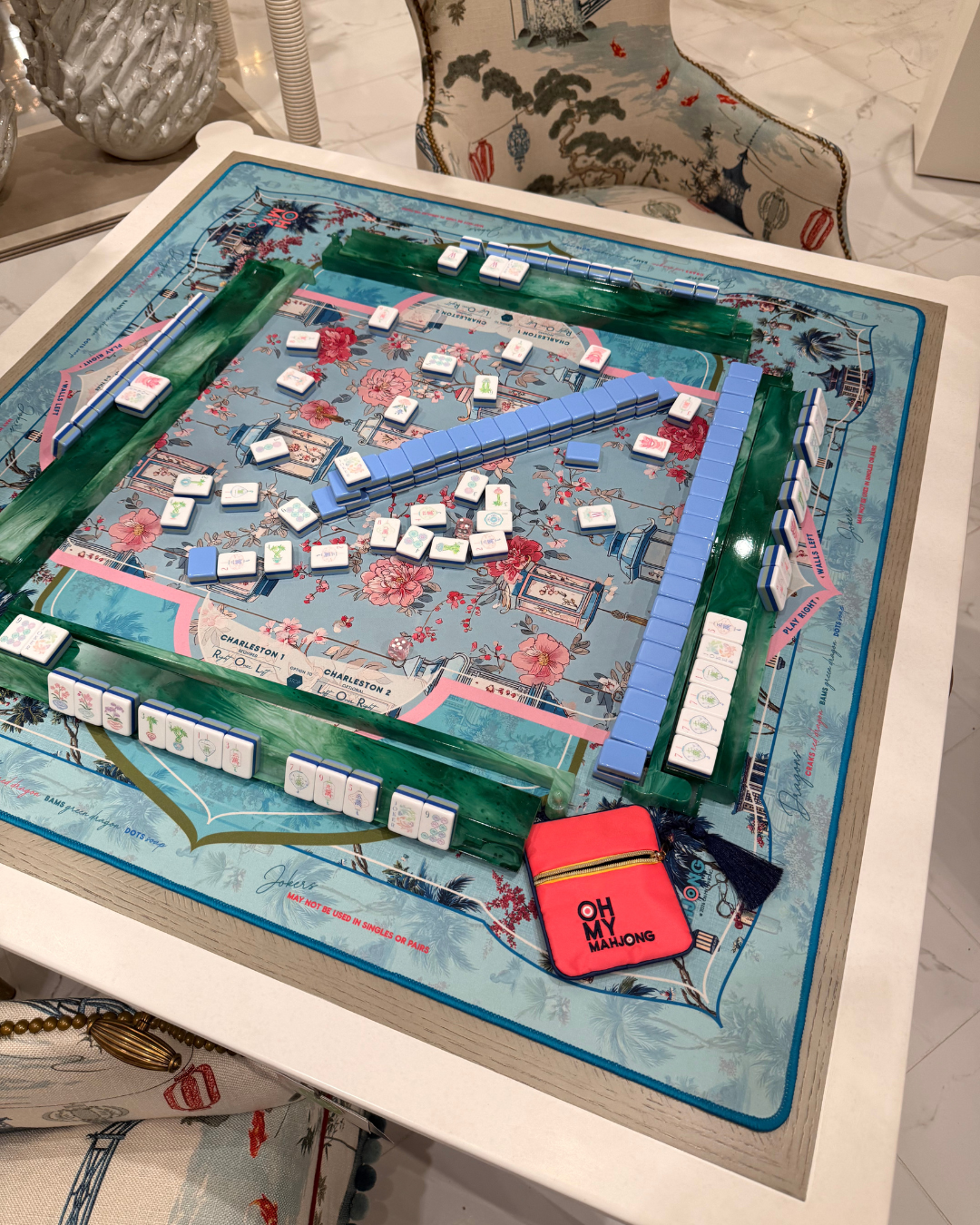
The Four Hands 30th Anniversary Capsule Collection celebrates this craftmanship of furniture design, while the resurgence of game tables, like Currey & Company’s Aster White Game Table, reminds us that beautiful interiors should invite interaction.
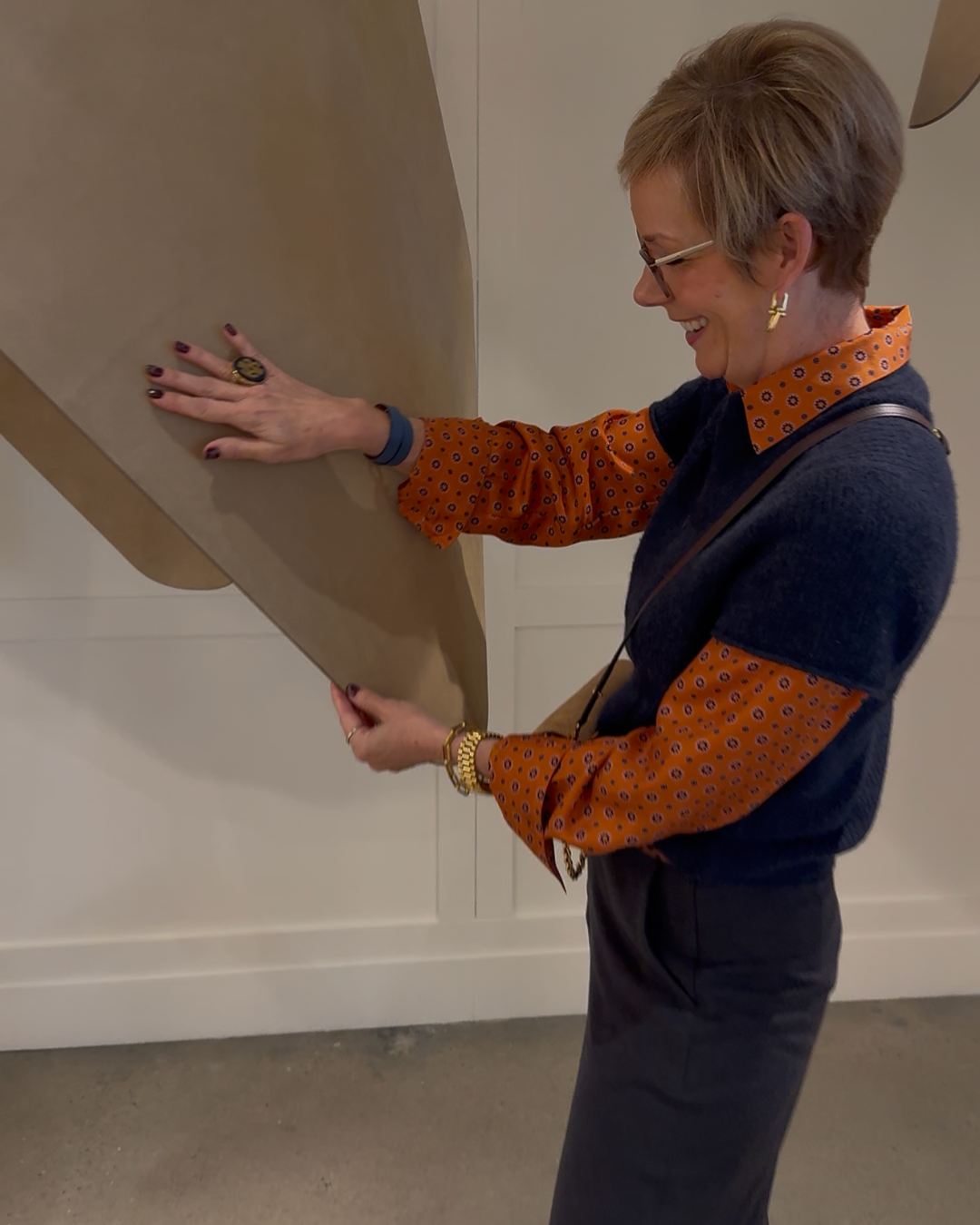
At Broad Hall, our Kerrie Kelly x Feeney LaserCut Collection brought another layer of personality through Pump Up the Volume, demonstrating how decorative pattern can extend beyond furnishings to become an architectural feature.
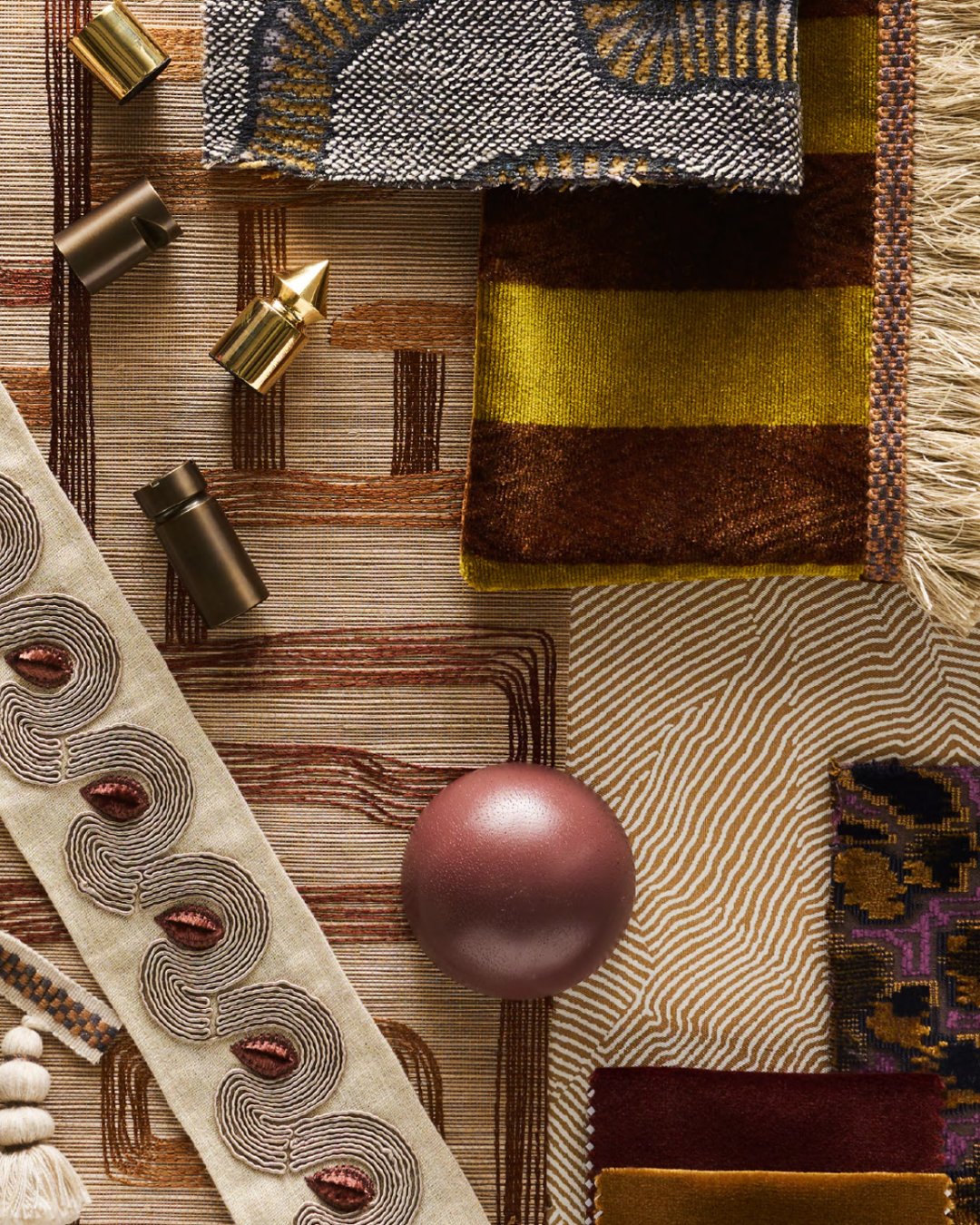
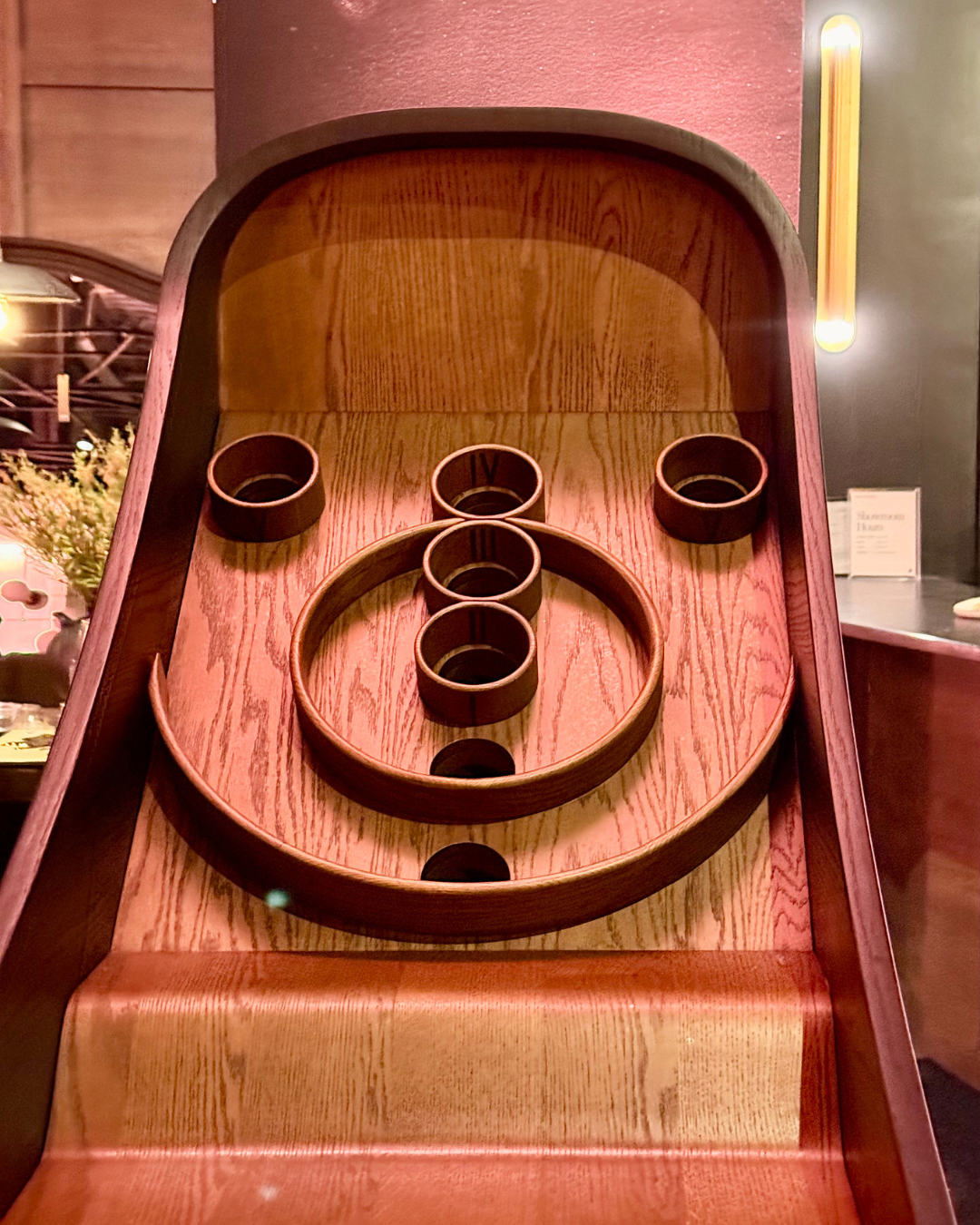
Together, these moments reflect a broader shift toward spaces that feel less prescribed and more expressive. After all, good design doesn’t have to take itself too seriously.
05. Living Beyond the Living Room
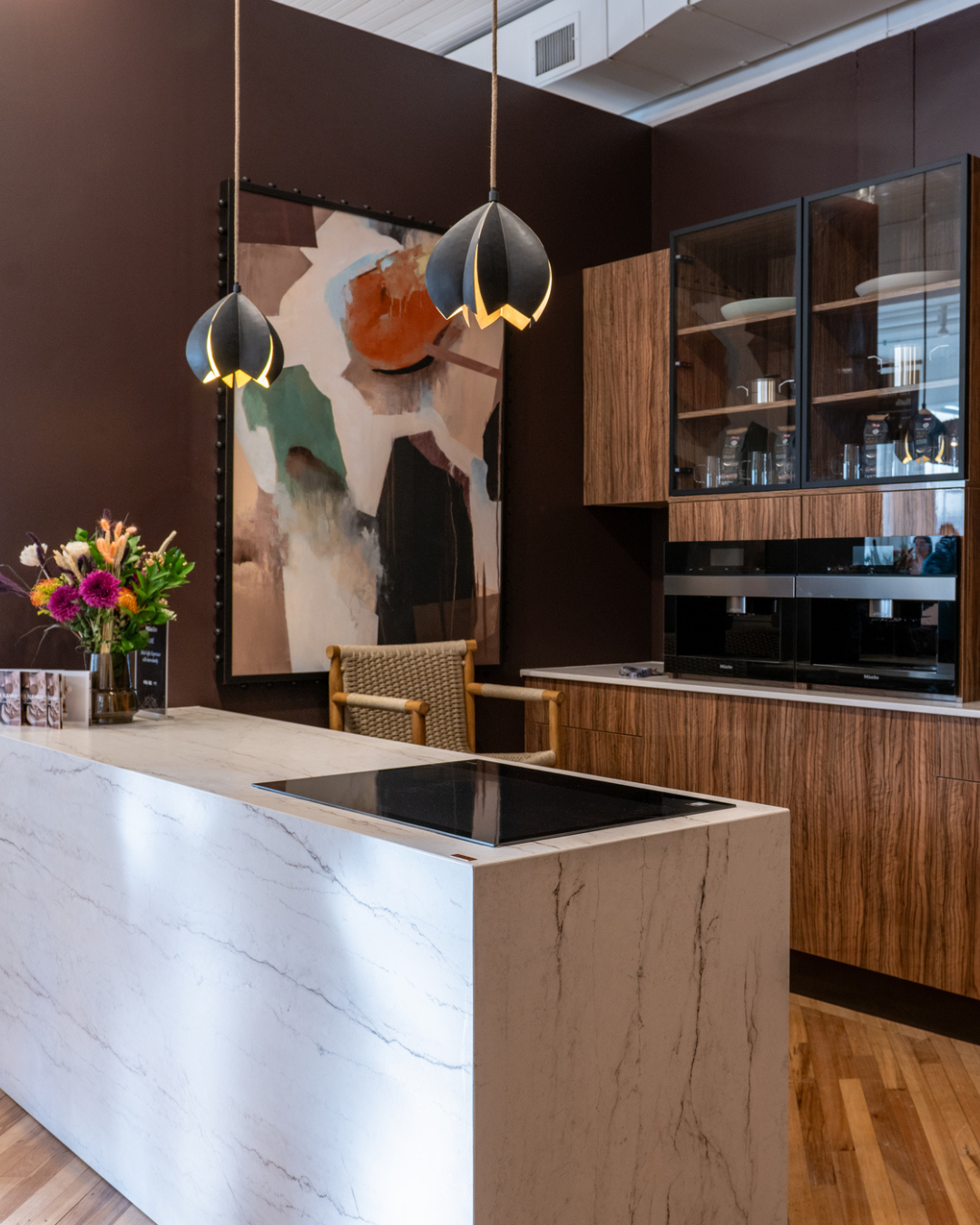
One of the most meaningful shifts we’re continuing to observe is the evolution of the kitchen into a true extension of the living space.
Rather than treating kitchens as purely functional environments, designers are introducing decorative layers traditionally reserved for living rooms and bedrooms. Table lamps, artwork, window coverings, skirted sinks, and furniture-inspired cabinetry are creating kitchens that feel softer, warmer, and more personal.
Our Fabuwood installations at Broad Hall reinforced this approach, pairing expressive cabinetry colors with residentially inspired details that bring character into the heart of the home.
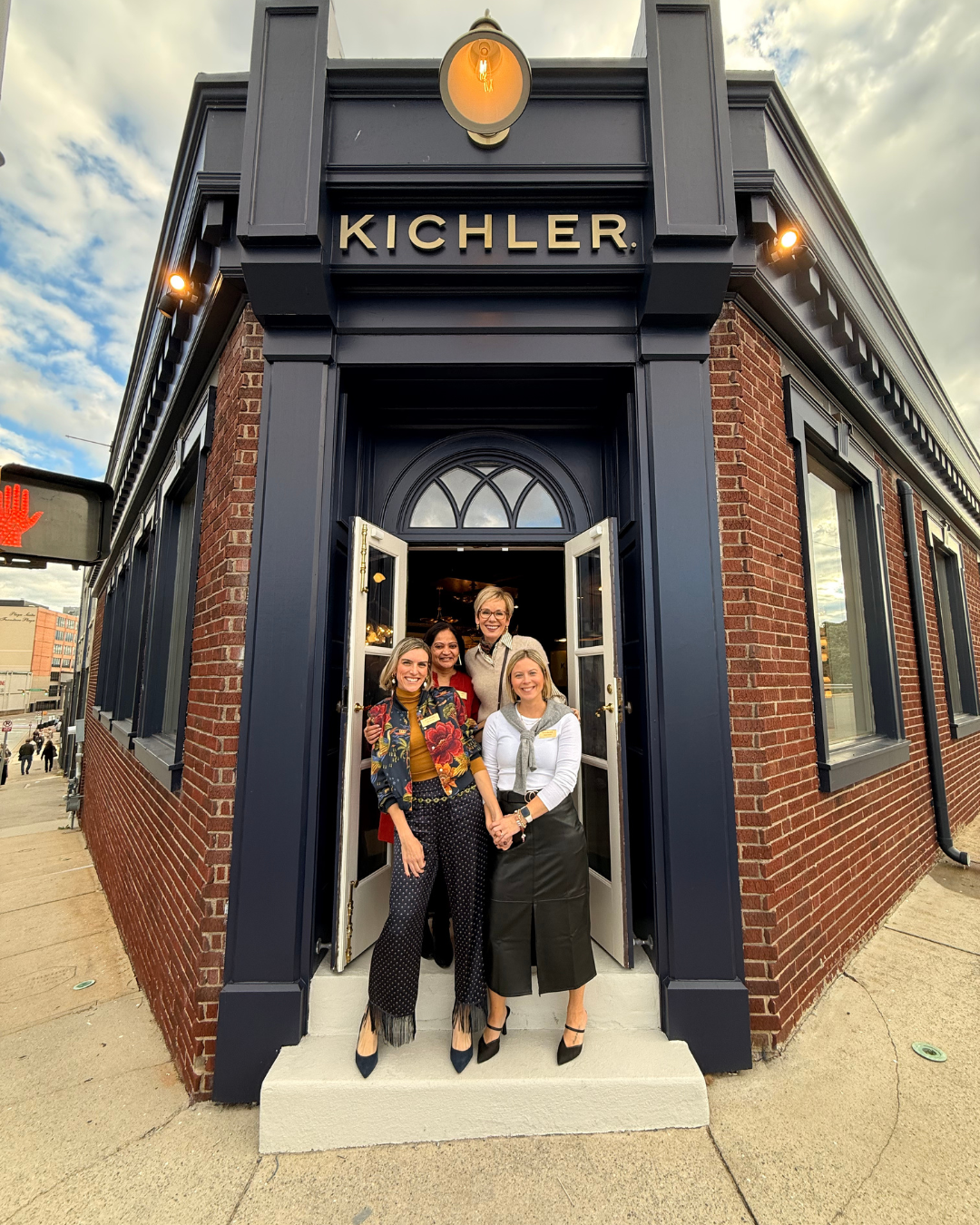
Lighting plays an equally important role in creating these environments. The new Kichler Lighting showroom at High Point, located next to Broad Hall, offered another perspective on how thoughtfully integrated illumination can shape the mood and experience of a space.
It’s a natural progression of how we live. Kitchens are where we gather, entertain, work, and connect. Why shouldn’t they reflect the same personality as the rest of our homes? The most compelling spaces no longer announce their function at every turn. They simply feel like home.
Final Takeaway: Personality Is the New Luxury
Our biggest takeaway from Fall 2026 High Point Market? The most compelling interiors are the ones that tell a story.
We’re seeing a renewed appreciation for craftsmanship, materials that invite touch, colors that evoke emotion, and decorative details that make a space feel collected rather than prescribed. Choosing with intention, embracing individuality, and creating spaces that reflect the people who live in them.
Because ultimately, the most memorable interiors aren’t defined by a particular trend. They’re defined by personality.
Like what you see?
There's more where that came from.